When a Space Speaks for Itself
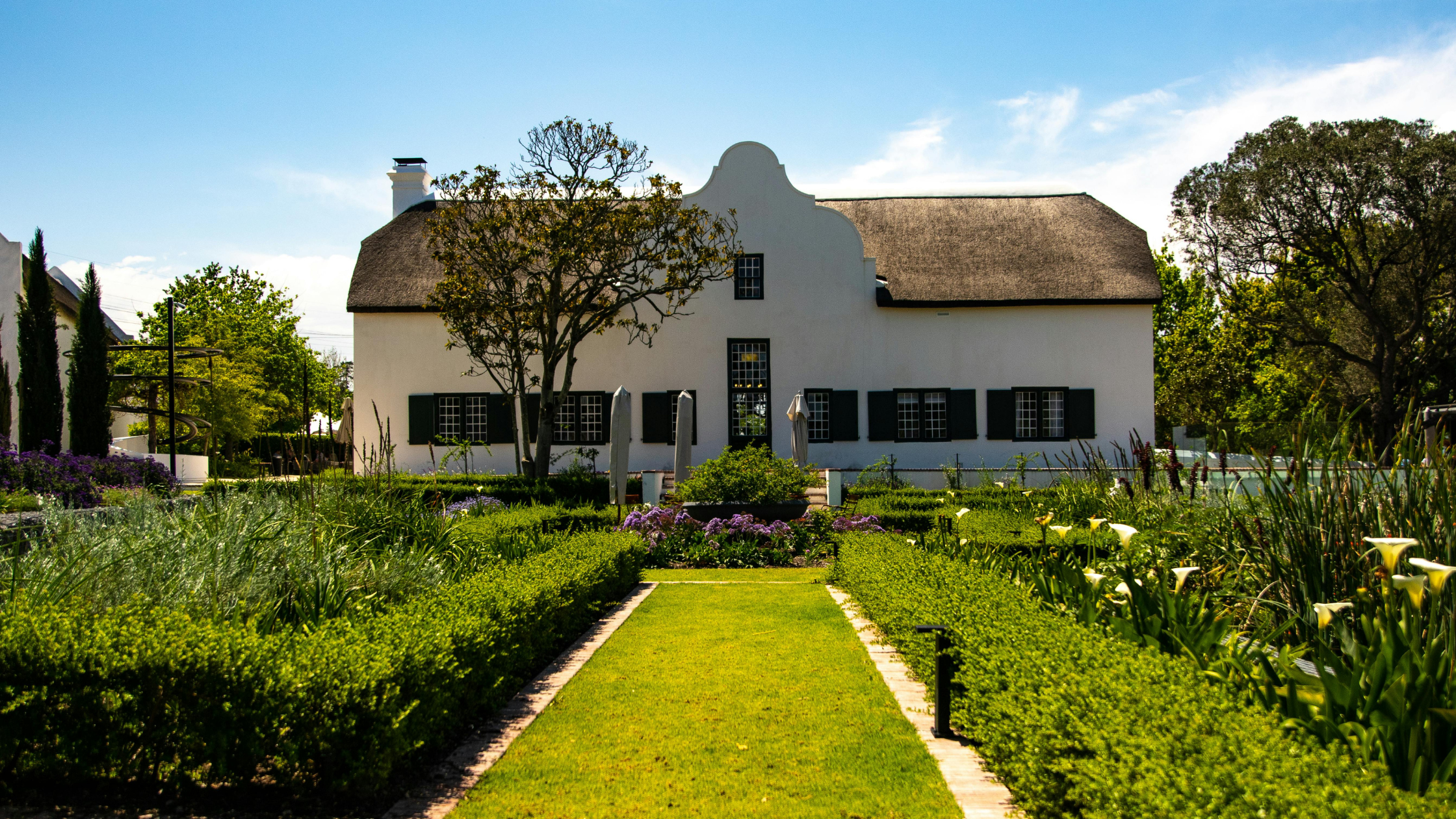
There are certain spaces that don’t need to be explained. You step into them and something immediately feels right. It is not always about scale or how visually striking they appear at first glance. Instead, it is a quieter sense of balance. The way light enters, how the proportions come together, and how everything sits naturally without feeling forced.
These are the spaces that hold attention without trying too hard. Nothing feels added for effect, and nothing feels out of place. The experience is subtle, but it stays with you.
It’s Always in the Details
What makes a space feel complete is rarely one defining feature. More often, it is a combination of small, almost unnoticeable details working together.
The way natural light moves across a surface during the day can completely change the mood of a space. A wall with natural texture holds more depth than one that has been overly finished. Even the way materials interact, soft tones against darker elements or smooth surfaces against raw textures, creates a quiet contrast that feels effortless rather than designed.
These details do not demand attention, but they shape how the space is experienced. You may not immediately notice them, but you feel their presence.
When Nothing Feels Forced
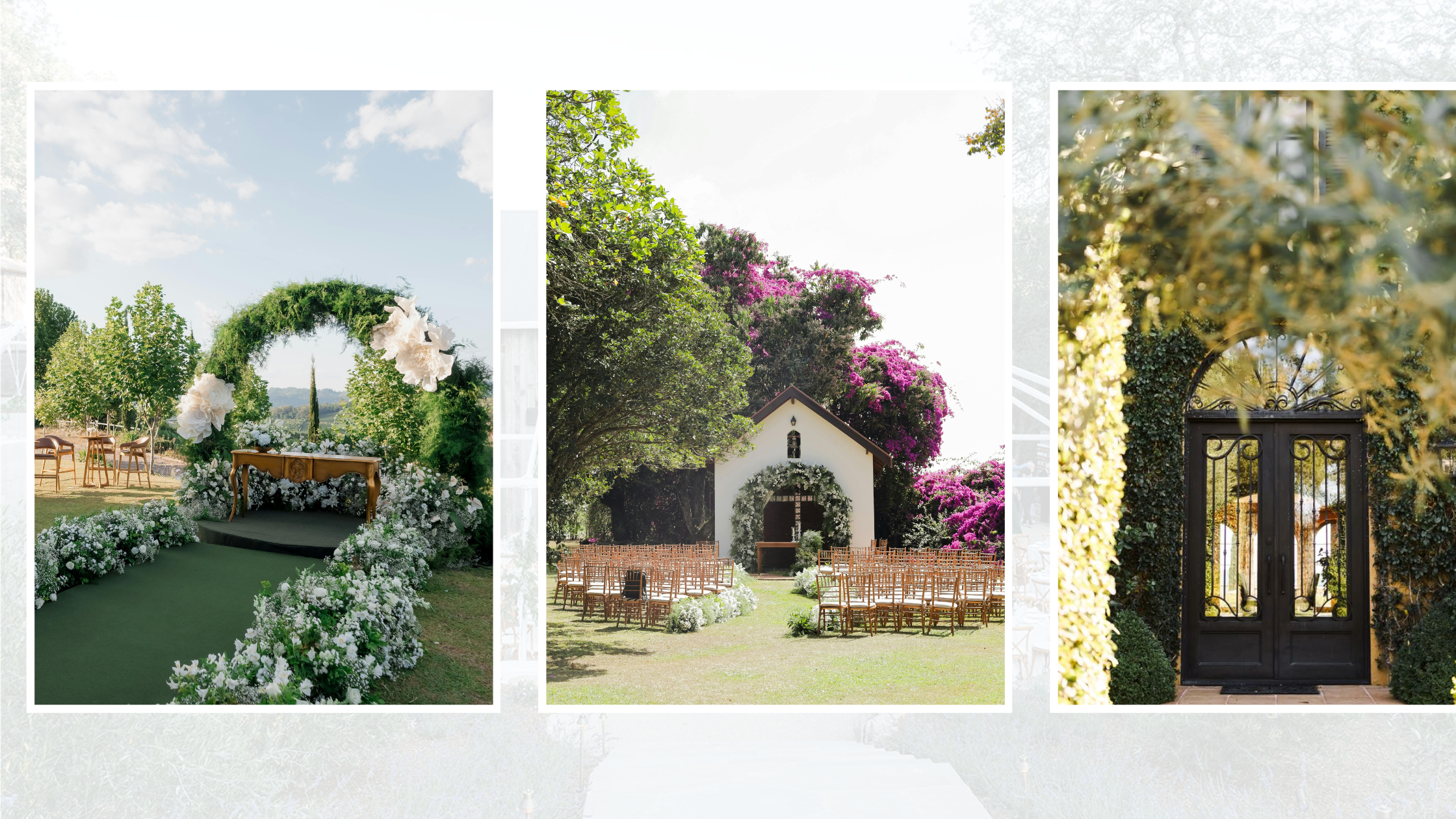
There is a clear difference between spaces that have been built up to look a certain way and those that feel naturally resolved.
In some environments, you can sense that a lot has been added over time. Layers of styling, decorative elements, and adjustments meant to create impact. While these can look appealing, they often feel constructed.
In contrast, certain spaces do not rely on additions. Their layout flows without interruption, their light works without needing correction, and their structure feels intentional even in its simplicity. Nothing feels excessive, and nothing feels missing.
This is where a space begins to feel effortless.
The Balance of Light, Space, and Material
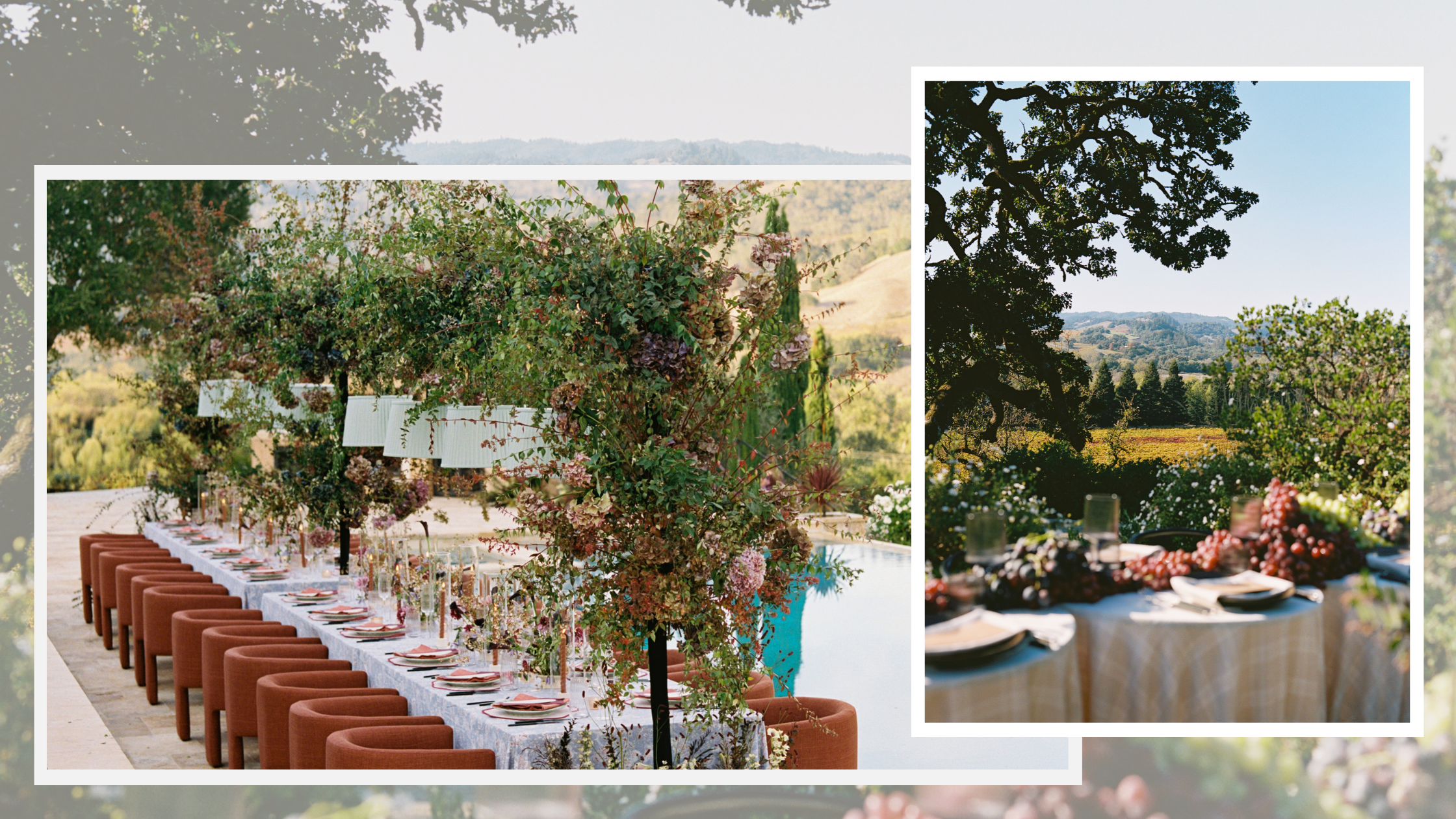
A well composed space is often defined by how well its core elements come together.
Light plays a central role, not just in how a space looks, but in how it feels throughout the day. Openings that allow light to shift naturally create variation without the need for artificial changes. Space itself, whether open or enclosed, needs to feel proportionate, not overwhelming or restricted.
Material choices add another layer. When textures and finishes are allowed to exist without being overworked, they bring a sense of authenticity. Together, these elements create an environment that feels calm, balanced, and complete.
Spaces That Do Not Need Reinvention
Not every space requires transformation to become usable.
Some places feel as though they were always meant to be experienced the way they are. Their structure, light, and atmosphere come together in a way that does not require constant adjustment. You do not have to change much to make them work. You simply have to understand what already exists.
These are the kinds of spaces that make everything within them feel more natural. Whether it is a visual setup or an experience, the environment already provides a strong foundation.
What Makes Them Memorable
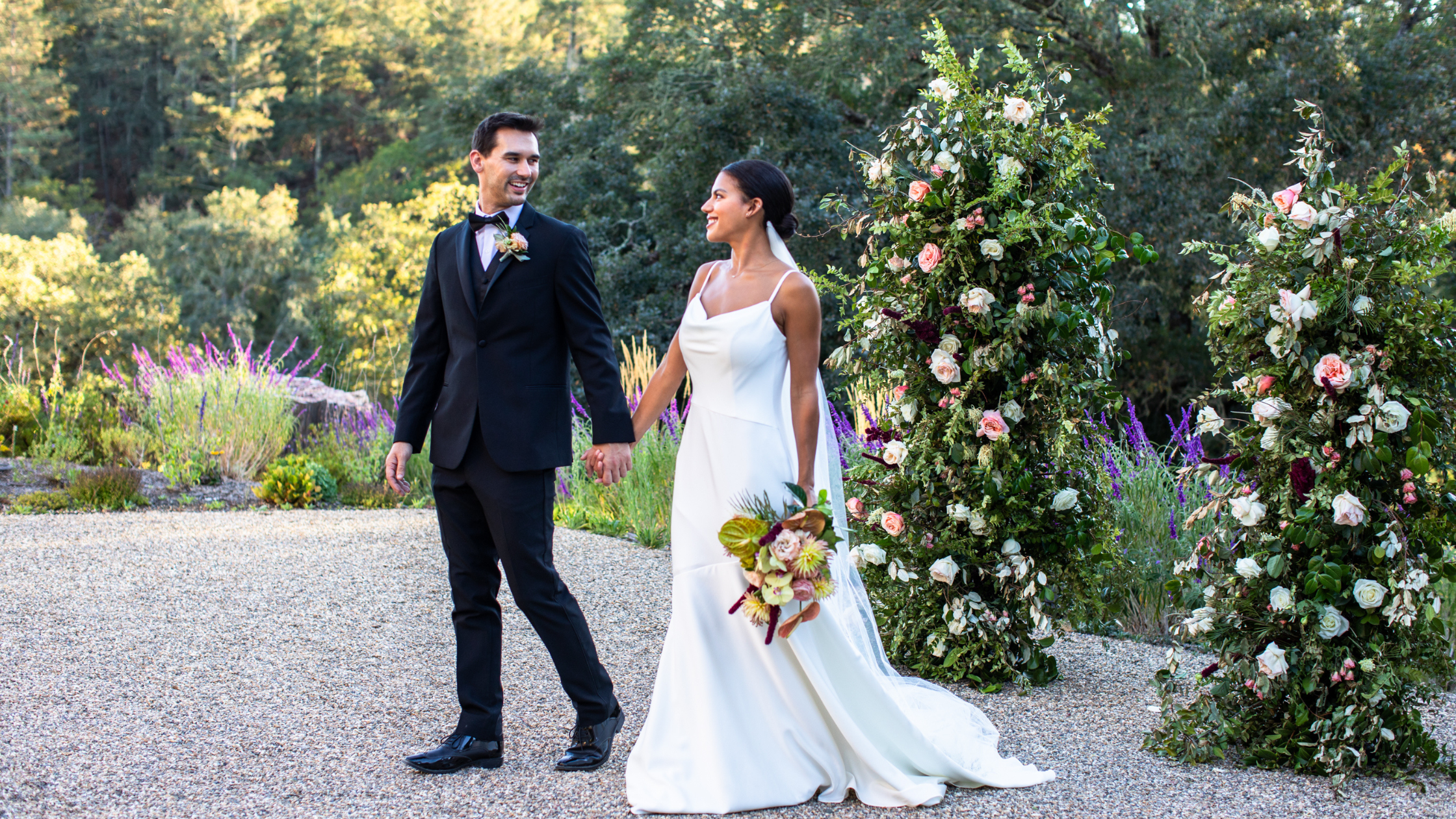
After leaving a space like this, it is rarely a single detail that stays with you.
It is the overall feeling that everything made sense. That nothing felt excessive, and nothing felt lacking. That the space did not try too hard to stand out, yet still managed to leave a lasting impression.
In many ways, that quiet confidence is what sets certain spaces apart. They do not need to be explained or reworked to feel complete.
They simply speak for themselves.